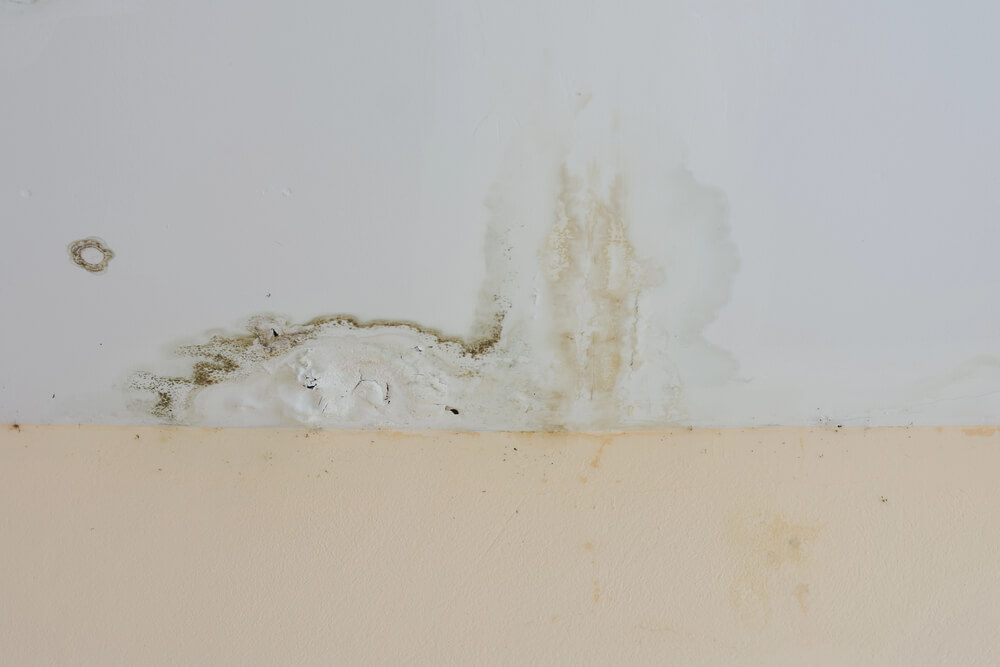
Mold behind drywall is a hidden problem that can develop in homes without homeowners realizing it. While some mold growth is visible on walls or ceilings, other mold can grow out of sight, spreading within wall cavities where moisture becomes trapped. Plumbing leaks, roof damage, flooding, and high humidity can all create conditions that allow mold to thrive. At Camel City Restoration, we understand how concerning hidden mold can be, and we’re here to help homeowners identify and address moisture-related damage. If you suspect mold in your home, call us at (336) 331-5265 to discuss your mold remediation needs.
Can Mold Grow Behind Drywall?
Yes, mold can grow behind drywall, even when the visible wall surface appears perfectly normal. Drywall is particularly vulnerable to mold growth because its paper backing contains organic materials that mold can use as a food source.
When moisture becomes trapped between drywall and the wall framing, it creates an environment where mold can develop. This moisture may come from a slow plumbing leak, condensation, roof damage, or previous water intrusion that wasn’t properly dried.
One of the biggest challenges with hidden mold is that homeowners may not notice a problem until the contamination becomes more extensive. That’s why we encourage homeowners to pay attention to changes in their walls, unusual odors, and signs of excess moisture.
What Are the Signs of Mold Behind Drywall?
Recognizing the signs of mold behind drywall can help homeowners identify potential problems before additional damage occurs. Although hidden mold isn’t always visible, there are several warning signs worth watching for.
Common Warning Signs
- Persistent musty odors: An earthy or musty smell that doesn’t disappear after cleaning or ventilation may indicate hidden moisture or mold.
- Wall discoloration: Yellow, brown, green, or dark stains can indicate water damage or possible mold growth.
- Peeling or bubbling paint: Moisture trapped beneath painted surfaces can cause paint to blister, crack, or separate from the drywall.
- Soft or warped drywall: Walls that feel unusually soft, swollen, or uneven may have absorbed excess moisture.
- Recurring water stains: Stains that repeatedly appear on walls or ceilings may indicate an unresolved leak.
- Visible mold near baseboards: Mold around trim, corners, or wall seams may suggest moisture problems extending beyond the visible surface.
Not every stain or musty odor means mold is present. However, these warning signs shouldn’t be ignored, especially if your home has experienced water damage.
What Causes Mold to Grow Behind Drywall?
Understanding the causes of mold behind drywall is an important part of preventing future problems. Mold requires moisture to grow, so identifying where that moisture originates is essential.
Leaking Pipes
Plumbing lines often run behind walls, making small leaks difficult to detect. Even a slow drip can gradually saturate drywall and insulation, creating conditions that support mold growth.
Roof Leaks
Damaged shingles, flashing, or roofing materials can allow rainwater to enter a home. Water may travel along framing or insulation before reaching interior walls, making the original source difficult to identify.
Flooding and Water Damage
Flooding, burst pipes, and appliance leaks can introduce significant moisture into drywall and wall cavities. When affected materials aren’t dried thoroughly, mold may begin developing.
High Indoor Humidity
Excessive humidity can contribute to condensation on cooler surfaces, particularly in poorly insulated areas. Over time, persistent moisture can encourage mold growth.
Poor Ventilation
Bathrooms, kitchens, laundry rooms, and other moisture-producing areas need adequate ventilation. Without proper airflow, humidity can accumulate and contribute to damp conditions.
HVAC Condensation
Condensation around air conditioning components, improperly insulated ductwork, or poorly maintained HVAC systems can introduce moisture into nearby building materials.
At Camel City Restoration, we emphasize the importance of addressing moisture problems because removing mold without correcting the underlying conditions can allow it to return.
How to Detect Mold Behind Walls
Knowing how to detect mold behind walls can be challenging because the affected areas aren’t always accessible or visible.
Homeowners may notice musty odors, recurring stains, or unusual changes in wall surfaces. However, identifying the actual location and extent of hidden mold may require a more detailed evaluation.
Depending on the situation, professionals may use several methods to investigate suspected moisture problems:
- Visual inspections: Examining walls, ceilings, baseboards, and surrounding areas for signs of moisture damage.
- Moisture meters: Measuring moisture levels in building materials to identify areas that may be damp.
- Thermal imaging: Identifying temperature differences that may suggest moisture intrusion or insulation problems.
- Targeted inspections: Examining concealed areas when there is sufficient evidence of hidden moisture or contamination.
It’s important to understand that moisture meters and thermal imaging cameras do not directly confirm the presence of mold. They help identify conditions that may warrant further investigation.
If you suspect hidden mold in walls, we recommend avoiding unnecessary cutting, drilling, or demolition. Disturbing contaminated materials without appropriate precautions may spread mold particles into surrounding areas.
Is Mold Behind Drywall Dangerous?
Mold behind drywall can create concerns for both indoor air quality and the condition of your home.
Mold exposure can cause symptoms such as nasal irritation, coughing, sneezing, and allergy-related reactions in some individuals. People with asthma, mold allergies, or weakened immune systems may be particularly sensitive to exposure.
Not everyone responds to mold in the same way, and the presence of mold doesn’t automatically mean occupants will experience health problems.
Beyond potential health concerns, persistent moisture can damage drywall, insulation, wood framing, and other building materials. Over time, damp drywall may weaken, deteriorate, or require replacement.
When moisture problems go unresolved, mold growth may also extend into additional areas of the property.
We encourage homeowners to address suspected mold and moisture problems promptly rather than waiting for visible damage to become more extensive.
How Is Mold Behind Drywall Removed?
Mold removal from drywall requires more than simply wiping down a stained wall. Because drywall is porous, mold can grow within the material and on surfaces that aren’t easily accessible.
When contamination affects the drywall itself, removing and replacing the damaged material is often necessary.
Our Approach to Professional Mold Remediation
The appropriate remediation process depends on the location, severity, and extent of the problem. A typical professional mold remediation project may involve the following steps.
1. Inspection and Assessment
We begin by evaluating the affected areas and identifying visible signs of mold, moisture damage, and potential water intrusion. Understanding the scope of the problem helps determine the appropriate next steps.
2. Containment of Affected Areas
When necessary, containment measures help separate affected spaces from unaffected areas of the property. This can reduce the spread of mold particles during remediation work.
3. Removal of Contaminated Materials
Mold-contaminated drywall, insulation, and other porous materials that cannot be effectively cleaned may need to be carefully removed and disposed of.
4. Cleaning and Remediation
Affected surfaces are cleaned using appropriate methods based on the materials involved and the extent of contamination.
5. Drying and Moisture Control
Controlling moisture is essential. Affected areas must be properly dried, and the source of water intrusion must be corrected to reduce the likelihood of recurring mold growth.
6. Restoration
Once remediation and drying are complete, damaged building materials can be repaired or replaced as appropriate to help restore the affected space.
At Camel City Restoration, our goal is to help property owners address mold-related damage and move toward a cleaner, properly restored environment.
Can You Remove Mold Behind Drywall Yourself?
Homeowners sometimes attempt to address mold by applying household cleaners or painting over stained areas. While minor surface mold on certain nonporous materials may be manageable with appropriate precautions, hidden mold behind drywall presents additional challenges.
Simply cleaning the visible surface doesn’t necessarily remove mold growing on the back of the drywall or within the wall cavity.
Attempting to remove contaminated drywall without proper containment and protective equipment can also disturb mold particles and spread contamination.
Professional assistance is particularly important when:
- Mold covers a large area or appears to extend behind walls.
- The property has experienced significant flooding or water damage.
- Mold repeatedly returns after cleaning.
- The source of moisture is unknown.
- Contaminated materials require removal.
- Occupants have health conditions that may increase their sensitivity to mold exposure.
We recommend seeking professional guidance when mold is suspected inside wall cavities or when the extent of contamination is uncertain.
How to Prevent Mold From Growing Behind Drywall
Preventing hidden mold begins with controlling moisture. Although homeowners can’t eliminate every potential water-related problem, several preventative measures can reduce the likelihood of mold growth.
1. Repair Plumbing Leaks Promptly
Even small plumbing leaks can cause significant damage over time. Regularly check areas around sinks, toilets, water heaters, and appliances for signs of moisture.
2. Address Water Damage Quickly
If your home experiences a leak or flood, begin the water damage restoration process as soon as it is safe to do so. Mold can begin developing within 24 to 48 hours under favorable conditions.
3. Monitor Indoor Humidity
Keep indoor relative humidity below 60%, ideally between 30% and 50%, when practical. Dehumidifiers and properly functioning air conditioning systems can help control moisture.
4. Improve Ventilation
Use bathroom exhaust fans during showers and kitchen ventilation when cooking. Proper ventilation helps reduce excess humidity.
5. Inspect Your Roof and Exterior
Check for damaged roofing materials, deteriorated caulking, and gaps around windows or doors that could allow water to enter.
6. Pay Attention to Musty Odors
A persistent musty smell may be an early indication of a moisture problem. Investigating unusual odors can help identify hidden issues.
7. Schedule Professional Help When Needed
If water has entered wall cavities or affected insulation and drywall, professional drying and restoration may be necessary to prevent ongoing moisture problems.
Taking these steps can help protect your home and reduce the risk of recurring mold.
Why Choose Camel City Restoration for Mold Remediation?
When mold affects your home, finding a restoration company that understands both mold contamination and moisture-related property damage is important.
At Camel City Restoration, we help homeowners and property owners throughout Winston-Salem, Kernersville, Advance, Bermuda Run, and surrounding North Carolina communities address restoration challenges.
Here are several reasons to choose our team:
1. Local Restoration Professionals
We’re familiar with the moisture-related challenges that North Carolina homeowners face, including humid conditions, storm damage, and water intrusion.
2. Mold Remediation Services
We provide mold remediation services to help property owners address mold-related damage and affected building materials.
3. Water Damage Restoration
Because mold problems frequently begin with water intrusion, our water and flood damage restoration services are an important part of helping homeowners recover from moisture-related emergencies.
4. Attention to Underlying Moisture Problems
We understand that controlling moisture is essential to effective mold remediation. Identifying the conditions contributing to mold growth helps reduce the risk of future problems.
5. Restoration-Focused Solutions
Our work focuses on helping property owners address damage and restore affected spaces, whether the problem involves mold, water intrusion, or other property damage.
If you’re searching for mold remediation in Kernersville NC, or need assistance in Winston-Salem, Advance, or Bermuda Run, we’re here to help you understand your restoration options.
Frequently Asked Questions About Mold Behind Drywall
If you suspect mold behind your walls, you probably have questions about how to identify it, remove it, and prevent it from returning. We’ve answered some common questions below, but if you need professional assistance, call Camel City Restoration at (336) 331-5265 to discuss your mold concerns.
Can mold grow behind drywall without being visible?
Yes. Mold can develop on the back of drywall, inside wall cavities, or on nearby building materials without appearing on the visible wall surface. Musty odors, moisture stains, and warped drywall may indicate a hidden problem.
How quickly can mold grow behind drywall?
Mold can begin growing within 24 to 48 hours when sufficient moisture and favorable conditions are present. However, the actual timeline depends on factors such as temperature, humidity, and the materials involved.
Does drywall need to be replaced if mold is found?
Mold-contaminated drywall often requires removal because it is porous and can be difficult to clean thoroughly. The need for replacement depends on the extent of contamination, the condition of the material, and the remediation assessment.
Can you smell mold behind a wall?
Yes, mold growing behind walls may produce a persistent musty or earthy odor. However, not all mold produces a noticeable smell, and musty odors can have other causes.
Will mold behind drywall go away on its own?
Mold growth may stop when moisture is eliminated, but existing contamination doesn’t necessarily disappear. Mold-affected materials may still require cleaning or removal, even after the area has dried.
Suspect Mold Behind Drywall? Contact Camel City Restoration
Mold behind drywall can remain unnoticed while moisture continues to affect your home’s building materials. Recognizing warning signs such as musty odors, discoloration, peeling paint, and recurring water stains can help you identify potential problems before additional damage occurs.
At Camel City Restoration, we understand that discovering possible mold in your home can be stressful. Our team is here to help homeowners in Winston-Salem, Advance, Bermuda Run, Kernersville, and surrounding areas address mold-related damage and restoration needs.
If you’re concerned about mold behind drywall, don’t wait for the problem to become more extensive. Call Camel City Restoration at (336) 331-5265 to discuss your concerns and learn more about our professional mold remediation services.
Follow us on Facebook for more mold information and tips.