A kitchen fire can happen in seconds, but the damage it leaves behind can take much longer to repair. Even a small cooking fire can cause extensive smoke, soot, heat, and water damage throughout your home. Proper kitchen fire damage cleanup is essential for protecting your property, addressing hidden damage, and restoring your kitchen to a safe, functional space. At Camel City Restoration, we help homeowners in Winston-Salem, NC, and surrounding areas recover from fire and smoke damage. If your kitchen has been affected by a fire, call us at (336) 331-5265 to learn how we can help with the restoration process.
Common Types of Damage Caused by Kitchen Fires
Kitchen fires can cause more damage than homeowners initially realize. While burned cabinets or damaged appliances may be the most obvious problems, smoke, soot, and water can affect areas far beyond where the flames originated.
Fire and Heat Damage
Direct flames and extreme heat can damage kitchen cabinets, countertops, appliances, flooring, and walls. Even surfaces that never come into contact with flames may experience discoloration, warping, cracking, or other damage from high temperatures.
In more severe cases, heat can compromise structural materials or damage electrical wiring behind walls. We recommend having affected areas professionally evaluated before beginning repairs or using damaged appliances.
Smoke and Soot Damage
Smoke can travel throughout a home, leaving behind residue on walls, ceilings, furniture, and other surfaces. Smoke damage from kitchen fire incidents may also affect ventilation systems, allowing odors and particles to spread into rooms that were never directly exposed to flames.
Soot is particularly challenging because its composition varies depending on what burned. Some residue is dry and powdery, while other types are oily and difficult to remove.
Water Damage From Firefighting Efforts
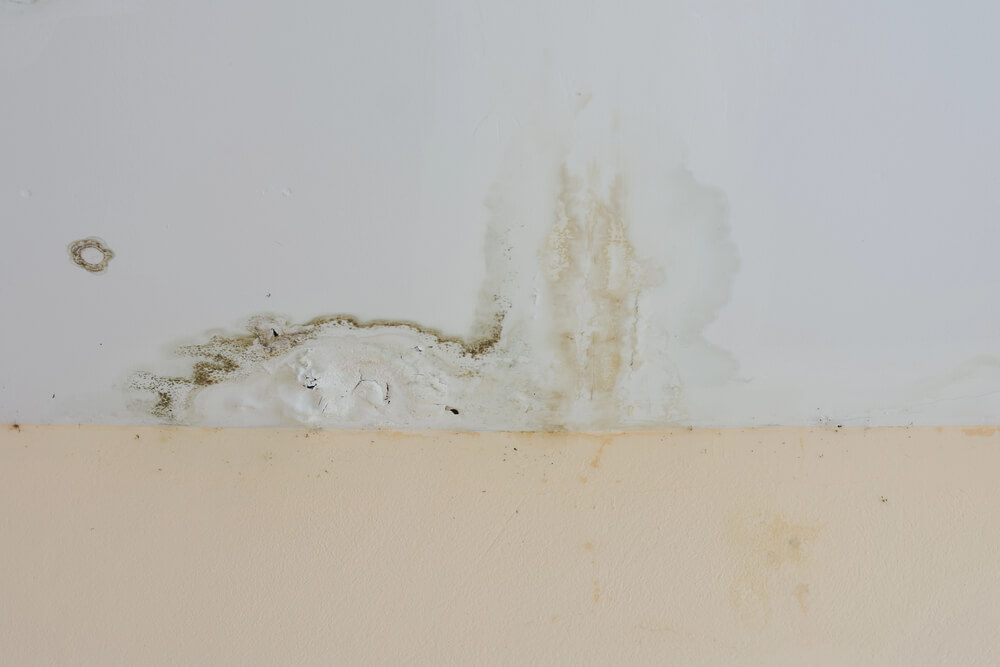
Water used to extinguish a kitchen fire can soak into flooring, drywall, cabinets, and other building materials. Without proper drying, trapped moisture may cause additional deterioration and create conditions that support mold growth.
Because fire and water damage often occur together, addressing both problems is an important part of restoring your kitchen.
What to Do Immediately After a Kitchen Fire
Knowing what to do after a kitchen fire can help protect your family and prevent additional property damage.
Prioritize Your Safety
If a fire is actively burning, evacuate your home and call 911. Never attempt to extinguish a large or spreading fire yourself.
After firefighters extinguish the flames, wait until emergency responders confirm that entering the property is safe. Even then, damaged electrical systems, weakened materials, and contaminated surfaces may present hazards.
Avoid using appliances, outlets, or electrical equipment exposed to heat, smoke, or water until they have been inspected by qualified professionals.
Document the Damage
Once it is safe to enter your home, document visible damage with photographs and videos. Include affected cabinets, appliances, walls, ceilings, flooring, and personal belongings.
Contact your homeowners insurance provider to report the incident and ask about the claims process. Keep records of damaged items, cleanup expenses, and communications with your insurance company.
Avoid Extensive DIY Cleanup
It may be tempting to start wiping down cabinets and scrubbing walls immediately. However, cleaning soot after a kitchen fire requires careful consideration of the type of residue and the materials involved.
Using the wrong cleaning products or techniques can spread soot, drive contamination deeper into porous surfaces, or cause permanent staining.
For significant smoke and soot contamination, we recommend contacting a professional restoration company before attempting extensive cleanup.
Understanding the Kitchen Fire Restoration Process
Every kitchen fire is different, which means restoration needs can vary significantly. The kitchen fire restoration process typically involves several steps designed to address visible damage, hidden contamination, and necessary repairs.
Step 1: Fire Damage Inspection and Assessment
The first step in kitchen fire damage restoration is evaluating the affected areas.
We begin by identifying the extent of fire, smoke, soot, and water damage. This includes examining surfaces directly affected by flames and looking for signs that smoke or moisture has spread into surrounding spaces.
A thorough assessment helps determine which materials may be cleaned and restored and which may require replacement.
Step 2: Smoke and Soot Removal
Once the damage has been evaluated, the cleanup process can begin.
Different types of soot require different cleaning approaches. Professionals may use specialized vacuums, cleaning solutions, and other restoration methods to remove residue from appropriate surfaces.
Cabinets, countertops, walls, ceilings, and other affected materials must be evaluated individually to determine the safest and most effective cleaning techniques.
Step 3: Smoke Odor Removal
Lingering smoke odors are among the most frustrating problems homeowners experience after a kitchen fire.
Smoke particles can penetrate porous materials, including drywall, wood, insulation, and upholstery. Simply opening windows or using air fresheners rarely addresses the underlying contamination.
Professional smoke odor removal focuses on identifying and treating the sources of odors. Depending on the damage, this may involve specialized cleaning, removal of contaminated materials, and appropriate deodorization techniques.
Step 4: Water Removal and Drying
If water was used to extinguish the fire, affected materials may require professional drying.
We understand the importance of identifying trapped moisture and addressing water damage before repairs begin. Depending on the situation, restoration may involve water extraction, drying equipment, and moisture monitoring.
Prompt attention helps limit additional deterioration and reduces the risk of moisture-related problems.
Step 5: Repairs and Restoration
After cleanup and drying are complete, damaged materials can be repaired or replaced as needed.
This may include replacing cabinets, repairing drywall, restoring flooring, or coordinating other necessary repairs.
The goal of professional fire damage restoration is to address the effects of the fire and help return your kitchen to a safe, functional condition.
Why Grease Fires Require Special Cleanup Considerations
Grease fires are a common kitchen hazard, particularly when cooking with oil at high temperatures.
Unlike some other types of fires, grease fires can produce thick, oily soot that adheres to cabinets, appliances, walls, and ventilation surfaces.
This residue can be difficult to remove with ordinary household cleaners. In some cases, scrubbing or using inappropriate cleaning products can spread the contamination or damage finishes.
Grease fire damage cleanup may require specialized degreasing products and cleaning methods suited to the affected materials.
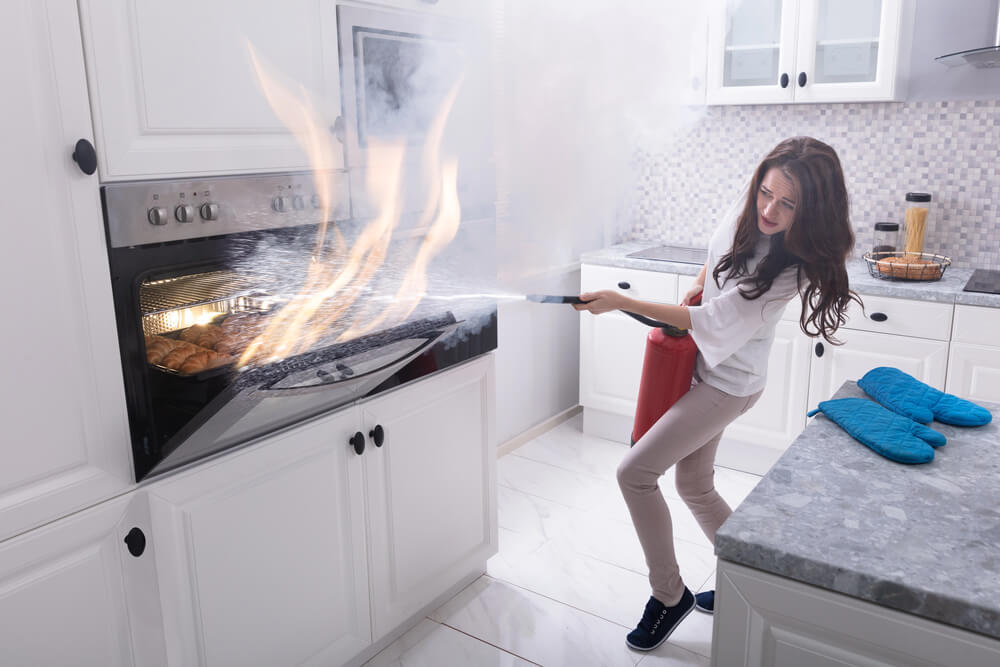
It’s also important to remember that grease fires can spread quickly. Never use water to extinguish a burning pan of grease, as it can cause the burning oil to splash and spread the flames. If the fire cannot be safely contained, evacuate and call 911.
After the fire has been extinguished, professional cleanup can help address stubborn residue and damage that may not be immediately visible.
Can Kitchen Cabinets, Appliances, and Countertops Be Saved?
One of the first questions homeowners ask after a kitchen fire is whether their kitchen will need to be completely replaced.
Fortunately, not every fire requires a full kitchen renovation. The possibility of restoring individual materials depends on the severity of the damage, the materials involved, and how deeply smoke or heat has penetrated.
Cabinets and Countertops
Solid surfaces may sometimes be cleaned and restored when damage is limited to surface residue.
However, cabinets with significant charring, warping, or smoke penetration may need replacement. Particleboard and other porous materials can be particularly difficult to restore after substantial exposure to moisture or smoke.
Countertops should also be evaluated for cracks, heat damage, and other signs of deterioration.
Appliances and Electrical Systems
Appliances exposed to flames, excessive heat, smoke, or firefighting water should not be used until they have been inspected by qualified professionals.
Even appliances that appear undamaged may have compromised wiring, internal components, or safety systems.
A qualified electrician or appliance technician can determine whether equipment can be safely repaired or should be replaced.
Walls, Ceilings, and Flooring
Some walls and ceilings may be cleaned, treated, and refinished if the damage is primarily superficial.
Other materials may require removal when smoke contamination, heat damage, or water intrusion is extensive.
Flooring presents similar challenges. Tile may be easier to clean than certain porous flooring materials, but the condition of the subfloor must also be considered.
A professional assessment can help determine which materials are suitable for restoration.
Why Choose Camel City Restoration for Kitchen Fire Damage Cleanup?
Recovering from a kitchen fire can feel overwhelming. Between assessing the damage, communicating with your insurance company, and figuring out how to restore your home, there are many decisions to make.
At Camel City Restoration, we understand how disruptive fire damage can be for homeowners. We provide fire and smoke damage restoration services in Winston-Salem, NC, and surrounding communities, helping property owners take important steps toward recovery.
Here’s why homeowners should consider working with our team:
- Local Restoration Services: We’re familiar with the needs of homeowners throughout Winston-Salem and surrounding areas. Working with a local restoration company gives you access to professionals who understand the community.
- Fire and Smoke Damage Expertise: Kitchen fires can leave behind multiple types of damage. We focus on addressing fire, smoke, soot, and related restoration concerns.
- Attention to Hidden Damage: Not all fire damage is immediately visible. We understand the importance of evaluating affected areas for potential smoke contamination and moisture problems.
- Professional Cleanup Methods: Different materials and types of residue require different approaches. We emphasize appropriate restoration techniques rather than relying on one-size-fits-all cleaning solutions.
- A Focus on Property Recovery: Our goal is to help homeowners move forward after a fire by addressing damage and guiding them through the restoration process.
Whether your kitchen has experienced a small cooking fire or more extensive damage, we can help you understand the next steps.
Learn more about our fire and smoke damage restoration services and how we help homeowners recover after a fire.
Frequently Asked Questions About Kitchen Fire Damage
Kitchen fires often leave homeowners with questions about cleanup, safety, insurance, and restoration timelines. Below, we answer some of the most common questions we hear. If you need help evaluating damage after a kitchen fire, call Camel City Restoration at (336) 331-5265.
How Long Does Kitchen Fire Cleanup Take?
The timeline depends on the extent of the damage. A small fire with limited soot contamination may require less cleanup than a fire involving extensive structural damage, water intrusion, or smoke throughout the home.
The need for repairs, replacement materials, and insurance approvals can also affect the overall timeline.
Can Smoke Damage Spread Beyond the Kitchen?
Yes. Smoke can move through doorways, hallways, ventilation systems, and other openings, carrying soot particles into rooms far from the original fire.
Even if the flames remained in the kitchen, other areas of your home may require inspection and cleaning.
Is It Safe to Clean Soot After a Kitchen Fire Yourself?
Minor residue on certain nonporous surfaces may sometimes be cleaned safely, but extensive soot contamination should be handled by trained professionals.
Soot may contain irritating or harmful substances, and improper cleaning can spread particles or damage affected materials.
For significant contamination, professional assessment and cleanup are the safer approach.
Does Homeowners Insurance Cover Kitchen Fire Damage?
Many homeowners insurance policies provide coverage for accidental kitchen fires, including certain fire, smoke, and water damage.
However, coverage depends on your specific policy, the circumstances of the fire, exclusions, and applicable deductibles.
We recommend contacting your insurance provider promptly to understand your coverage and documentation requirements.
How Do Professionals Remove Smoke Odors After a Kitchen Fire?
Professional smoke odor removal begins with identifying and addressing the source of the contamination.
Depending on the materials affected, restoration may involve removing soot, cleaning surfaces, treating porous materials, replacing items that cannot be restored, and using specialized deodorization methods.
The most effective approach depends on the type and severity of the smoke damage.
Get Professional Kitchen Fire Damage Cleanup in Winston-Salem, NC
A kitchen fire can leave behind more than burned cabinets and damaged appliances. Smoke, soot, lingering odors, and firefighting water can affect multiple areas of your home, sometimes creating problems that aren’t immediately visible.
At Camel City Restoration, we understand the importance of thorough kitchen fire damage cleanup and timely restoration. Our goal is to help homeowners address damage, protect their property from additional deterioration, and begin moving forward after a fire.
If your home has experienced a kitchen fire, don’t wait to address the damage. Call Camel City Restoration at (336) 331-5265 to learn more about our professional fire and smoke damage restoration services in Winston-Salem, NC, and surrounding areas.
Follow us on Facebook and Instagram for helpful home restoration tips, fire safety advice, and updates on how we help homeowners protect and restore their properties.