Discovering sewage backing up into your home can be overwhelming. Whether wastewater is coming up through a basement drain, overflowing from a toilet, or spreading across your bathroom floor, the situation requires immediate attention. Knowing what to do when sewage backs up can help you protect your family, minimize property damage, and begin the cleanup process safely.
At Camel City Restoration, we understand how stressful unexpected sewage damage can be. Sewage backups aren’t just unpleasant; they can introduce harmful contaminants into your living space and cause extensive damage to flooring, walls, and personal belongings. If you’re dealing with a sewage backup in Winston-Salem, NC, or the surrounding Triad area, call us at (336) 331-5265 for professional sewage cleanup and bacterial removal services.
Immediate Steps to Take When Sewage Backs Up
When sewage enters your home, your first priority should be protecting everyone inside. Taking the right precautions can help reduce exposure to contaminated water and prevent additional damage.
1. Keep People and Pets Away From Contaminated Areas
Sewage water can contain harmful bacteria, viruses, and other microorganisms that pose health risks. Direct contact with contaminated water or surfaces can potentially cause illness, particularly for young children, older adults, and people with weakened immune systems.
If you have a sewage backup in house plumbing systems, take these precautions:
- Keep children, pets, and other occupants away from affected rooms.
- Close doors to contaminated areas when possible.
- Avoid walking through standing wastewater.
- Don’t attempt to retrieve belongings from contaminated areas without appropriate protective equipment.
Even water that appears relatively clear may contain harmful contaminants.
2. Stop Using Water and Plumbing Fixtures
If sewage is backing up through your drains, stop using toilets, sinks, showers, washing machines, and dishwashers until the problem has been identified.
Continuing to use your plumbing can introduce additional wastewater into an already overwhelmed or blocked sewer line, potentially making the backup worse.
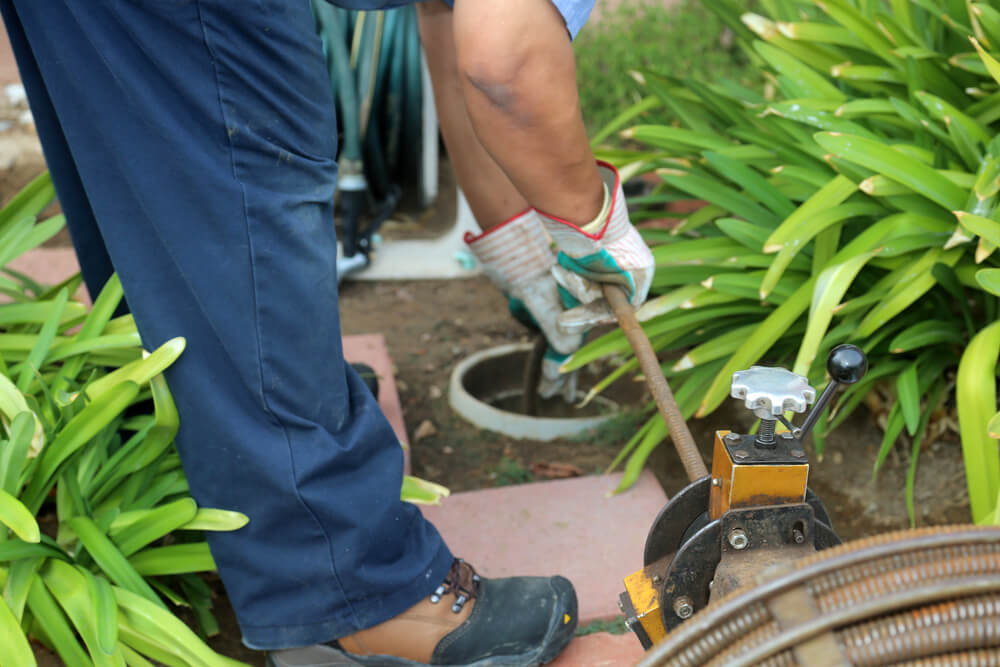
If you notice sewage coming up through drains in multiple locations, the issue may involve your home’s main sewer line rather than an individual fixture. Contact a licensed plumber or your sewer utility, as appropriate, to determine the cause and address the plumbing problem.
3. Address Electrical Hazards Safely
Standing water and electricity are a dangerous combination. If wastewater has reached electrical outlets, appliances, extension cords, or other electrical equipment, stay out of the affected area.
If you can safely shut off electricity from a dry location without approaching standing water, doing so may help reduce the risk of electrical shock. Otherwise, leave the area and contact a qualified electrician.
Never enter standing water to access an electrical panel or unplug equipment.
4. Document the Damage
Once everyone is safe, document the sewage backup for insurance purposes.
- Take photographs or videos from a safe location, showing the affected rooms, visible water damage, and damaged belongings.
- Make a list of items that may have been contaminated.
- Record when you first noticed the backup and any visible signs of damage.
- Contact your homeowners insurance provider as soon as possible to report the incident and ask about your coverage.
Sewage backup coverage varies by policy, and some homeowners need a separate endorsement for this type of damage. Avoid handling contaminated belongings unnecessarily while documenting the damage.
What Causes Sewage Backups in Homes?
Understanding why sewage backups happen can help you recognize potential warning signs and reduce the likelihood of future problems.
Several common issues can cause wastewater to flow backward into your home:
- Clogged sewer lines: Grease, debris, wipes, and other materials can accumulate inside pipes, eventually blocking wastewater from draining properly.
- Tree root intrusion: Tree roots naturally seek moisture and can enter sewer lines through small cracks or damaged joints. As roots grow, they can restrict wastewater flow and damage pipes.
- Heavy rainfall: During significant rainstorms, excess water can overwhelm some sewer systems, particularly where stormwater enters sanitary sewer lines. This can increase the risk of sewage backups.
- Aging or damaged pipes: Older sewer lines may deteriorate, crack, collapse, or become misaligned, creating blockages and drainage problems.
- Improper disposal of household materials: Flushing wipes, paper towels, feminine hygiene products, and other non-flushable items can contribute to serious sewer line obstructions.
Warning signs may include frequently clogged drains, gurgling toilets, unpleasant sewer odors, or wastewater appearing in lower-level plumbing fixtures.
If you notice these problems, having your plumbing inspected before a major backup occurs can help prevent more extensive damage.
Why Professional Sewage Backup Cleanup Is Important
A sewage backup creates more than a messy cleanup project. Contaminated wastewater can affect building materials, spread into hidden spaces, and create conditions that require specialized cleaning methods.
Sewage Can Contain Dangerous Contaminants
One of the most significant sewage backup health risks is exposure to harmful microorganisms.
Sewage may contain bacteria, viruses, parasites, and other contaminants associated with gastrointestinal illness, skin infections, and other health concerns.
Sewage-contaminated water is generally classified as Category 3 water damage, which represents grossly contaminated water that can pose serious health risks.
Unlike a clean water spill, sewage contamination requires special precautions and appropriate cleaning procedures.
Contamination Can Spread Beyond Visible Water
When sewage enters a home, it can quickly soak into porous building materials, including:
- Carpeting and carpet padding
- Drywall and insulation
- Wood flooring and subflooring
- Upholstered furniture
- Baseboards and other absorbent materials
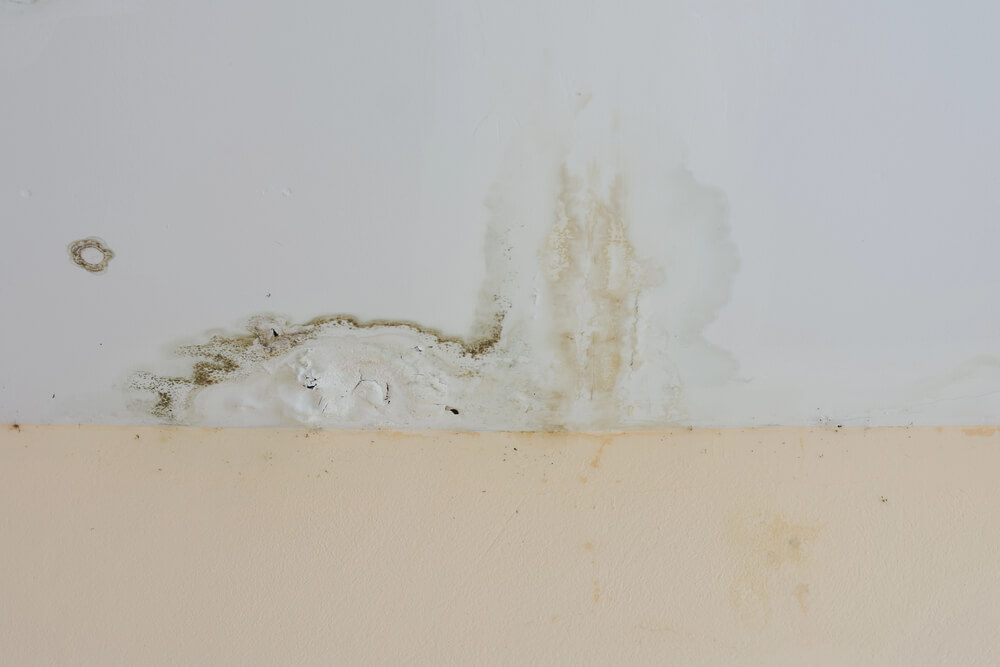
Even after visible wastewater has been removed, contamination and moisture may remain beneath flooring or inside walls.
If these areas aren’t properly addressed, the damage can continue to worsen.
Hidden Moisture Can Lead to Mold Growth
Sewage backups also introduce moisture into areas that may not dry naturally.
When building materials remain damp, mold can begin growing under favorable conditions, sometimes within 24 to 48 hours.
Professional drying and moisture monitoring are important parts of the restoration process because removing standing water alone doesn’t necessarily eliminate hidden moisture.
Why DIY Sewage Cleanup May Not Be Enough
Homeowners often search for how to clean up sewage backup damage themselves, hoping to resolve the situation quickly.
While minor spills from a known, limited source may sometimes be manageable with appropriate precautions, significant sewage backups present different risks.
Household mops, towels, and general-purpose cleaners may remove visible wastewater without adequately addressing contamination in porous materials or hidden areas.
Attempting extensive sewage cleanup without proper protective equipment can also increase exposure to potentially harmful microorganisms.
For substantial sewage contamination, professional assessment and cleanup are generally the safest approach.
What Happens During Professional Sewage Backup Cleanup?
At Camel City Restoration, we focus on addressing both visible damage and the contamination that can remain after a sewage backup.
The cleanup process depends on the extent of the damage, the affected materials, and the conditions inside the property.
1. Assessing the Damage
The first step is evaluating the affected areas and determining how far the wastewater has spread.
This assessment helps identify contaminated materials, moisture concerns, and the equipment and procedures needed for cleanup.
We also consider whether the source of the sewage backup has been addressed so that restoration work can proceed appropriately.
2. Removing Sewage and Contaminated Water
Once the area has been assessed and conditions are safe, contaminated wastewater must be removed.
Professional extraction equipment can help remove standing water more efficiently than typical household cleaning tools.
Depending on the extent of contamination, some absorbent materials may need to be removed and discarded rather than cleaned.
3. Cleaning and Disinfecting Affected Areas
After wastewater removal, affected surfaces require appropriate cleaning and treatment.
Professional sewage backup cleanup involves more than eliminating unpleasant odors or making surfaces appear clean.
We focus on addressing contamination using suitable cleaning methods and products for the materials involved. Materials that cannot be adequately cleaned may need to be replaced.
4. Drying the Structure
Once contaminated materials have been addressed, remaining moisture must be managed.
Professional air-moving and dehumidification equipment can help dry affected structural materials. Moisture measurements may be used to monitor drying progress and identify areas requiring additional attention.
Thorough drying helps reduce the likelihood of secondary damage, including mold growth.
5. Evaluating Restoration Needs
After cleaning and drying, the property can be evaluated for additional restoration work.
Depending on the severity of the backup, this may include replacing damaged drywall, flooring, insulation, or other materials.
The goal is to address contamination and moisture so the affected areas can be safely restored.
Why Choose Camel City Restoration for Sewage Cleanup?
When sewage backs up into your home, you need a restoration company that understands the urgency of the situation and the importance of thorough cleanup.
At Camel City Restoration, we serve homeowners and businesses throughout Winston-Salem, NC, and the surrounding Piedmont Triad communities.
Here’s why property owners turn to us for professional sewage cleanup services.
1. We’re a Local Restoration Company
As a local company, we understand the needs of property owners in our community. We work with homeowners and businesses dealing with unexpected water damage, sewage contamination, and other restoration challenges.
2. We Use Professional Cleanup Equipment
Sewage damage often requires specialized equipment to remove wastewater, manage moisture, and address contaminated areas.
We use professional restoration methods and equipment appropriate to the conditions of each property.
3. We Focus on Thorough Cleaning and Bacterial Removal
Removing visible sewage is only one part of the cleanup process.
We understand the importance of addressing contamination on affected surfaces and evaluating materials that may not be safely recoverable.
Our goal is to help restore a cleaner, safer indoor environment.
4. We Address Water Damage and Related Restoration Needs
Sewage backups can cause damage that extends beyond the initial spill.
Because we also provide water damage restoration and mold remediation services, we understand how moisture, contamination, and damaged building materials can affect your property.
5. We Put Safety First
Every sewage backup is different, and the appropriate cleanup approach depends on the conditions involved.
We emphasize careful assessment, appropriate cleanup procedures, and attention to potential health and safety concerns throughout the restoration process.
If your home has been affected by sewage contamination, our team is here to help you understand the next steps.
How to Help Prevent Future Sewage Backups
Although not every sewage backup can be prevented, routine maintenance and good plumbing habits can help reduce your risk.
- Be careful about what goes down your drains. Avoid flushing wipes, paper towels, feminine hygiene products, and other materials that don’t break down like toilet paper.
- Keep grease out of kitchen sinks. Cooking oils, fats, and grease can harden inside pipes and contribute to sewer line blockages.
- Pay attention to drainage problems. Slow drains, recurring clogs, and gurgling sounds may indicate a developing sewer line issue.
- Schedule plumbing inspections when needed. If your home has older sewer lines or a history of backups, a licensed plumber can evaluate the system and recommend appropriate maintenance.
- Consider a backwater valve. A properly installed sewer backwater valve may help prevent wastewater from flowing backward into your home during certain sewer backup events. A qualified plumber can determine whether one is appropriate for your property.
- Address tree root problems. If roots are entering your sewer line, professional inspection and repair may help prevent recurring blockages.
Taking these precautions can help protect your home, but it’s still important to know how to respond if a backup occurs.
Frequently Asked Questions About Sewage Backups
Sewage backups can leave homeowners with many questions about safety, cleanup, and restoration. We’ve answered some of the most common questions below, but if you need additional information about your situation, call Camel City Restoration at (336) 331-5265. We’re happy to help you understand your next steps.
Is It Safe to Stay in a House After a Sewage Backup?
It depends on the extent and location of the contamination. A limited backup contained in an isolated area may present different concerns than sewage spreading through multiple rooms or entering HVAC systems.
Keep everyone away from contaminated areas until they have been properly cleaned and evaluated. If the contamination is extensive or cannot be safely isolated, temporary relocation may be necessary.
How Long Does Sewage Backup Cleanup Take?
The timeline depends on the amount of wastewater, the affected materials, and the extent of moisture and contamination.
Some cleanup projects may be completed relatively quickly, while extensive damage requiring structural drying, material removal, or repairs can take several days or longer.
Does Homeowners Insurance Cover Sewage Backup Cleanup?
Coverage varies by insurance policy and the cause of the backup.
Standard homeowners insurance policies often exclude damage caused by sewer or drain backups unless the homeowner has purchased additional coverage.
Review your policy and contact your insurance provider to understand what may be covered.
Can Sewage-Contaminated Carpet and Furniture Be Saved?
It depends on the material and extent of contamination.
Highly absorbent materials, such as carpet padding, upholstered furniture, and certain types of insulation, may be difficult or impossible to clean adequately after sewage exposure.
A professional restoration assessment can help determine which materials can be safely cleaned and which should be replaced.
What Should I Do if Sewage Keeps Backing Up Into My Home?
Recurring sewage backups usually indicate an unresolved plumbing or sewer system problem.
Stop using affected plumbing fixtures and contact a licensed plumber or the appropriate sewer utility to investigate the cause.
If wastewater has entered your living space, professional emergency sewage cleanup may also be necessary to address contamination and property damage.
Protect Your Home With Professional Sewage Cleanup
Knowing what to do when sewage backs up can make a significant difference in protecting your family and limiting damage to your property. Keeping people away from contaminated areas, stopping plumbing use, addressing electrical hazards, and seeking professional assistance are important first steps.
Sewage damage isn’t something to ignore or put off. Contaminated wastewater can spread into flooring, walls, and other materials, creating additional cleanup and restoration challenges.
At Camel City Restoration, we’re committed to helping homeowners and businesses throughout Winston-Salem, NC, and the surrounding Triad area address sewage contamination and water damage.
Dealing with a sewage backup in your home? Don’t wait for the damage to get worse. Call Camel City Restoration at (336) 331-5265 for professional sewage cleanup and bacterial removal services. We’re here to help you take the next steps toward restoring your property.
Stay connected with Camel City Restoration! Follow us on Facebook for helpful property restoration tips, prevention advice, and company updates.